
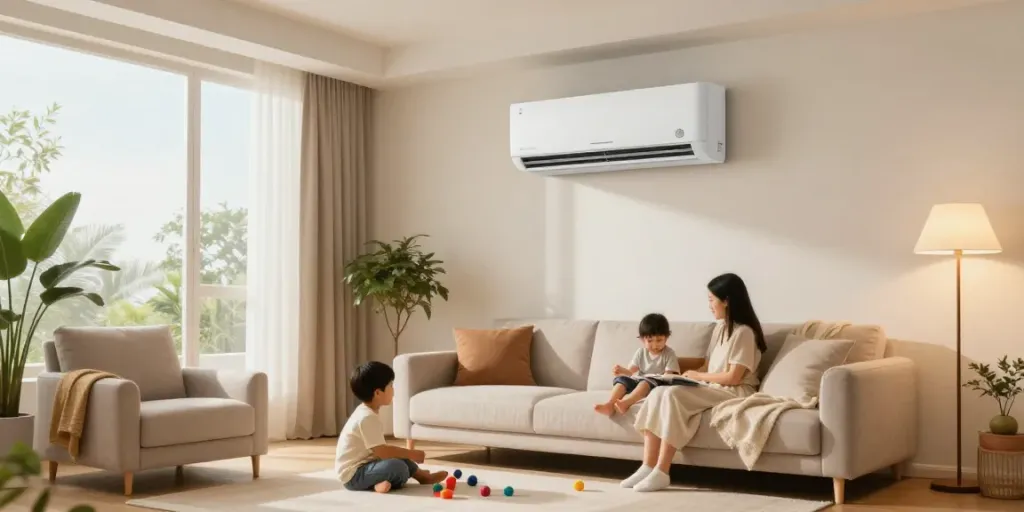
Understanding Ductless Air Conditioners
Ductless air conditioners have gained popularity in recent years due to their versatility, energy efficiency, and compact design. These units are particularly effective for homes without existing ductwork, providing a solution that can heat and cool spaces individually. As homeowners increasingly look for efficient climate control options, understanding the workings and benefits of ductless air conditioners is essential in making informed decisions. When exploring options, ductless air conditioner systems provide comprehensive insights into modern cooling technology.
What Are Ductless Air Conditioners?
Ductless air conditioners, often referred to as mini-split systems, consist of two main components: an indoor unit and an outdoor compressor. Unlike traditional systems, ductless air conditioners do not require extensive ductwork, making them ideal for both older homes and new constructions. This innovative system allows for flexibility in installation and can be used to cool or heat specific rooms rather than the entire house, offering a customizable approach to temperature control.
How Do They Work?
Operating a ductless air conditioner is relatively straightforward. The indoor unit absorbs heat from the room air and transfers it to the refrigerant. The refrigerant then travels to the outdoor unit, where it releases the heat outside before returning to the indoor unit. This cycle continues, effectively regulating the temperature in the desired area. Ductless systems utilize inverter technology, which allows them to adjust their compressor speed based on the current temperature, enhancing energy efficiency and comfort.
Key Benefits of Ductless Systems
- Energy Efficiency: Ductless systems generally use less energy than traditional HVAC systems, leading to lower utility bills.
- Flexible Installation: The absence of ductwork allows for easier installation in various home configurations.
- Zone Control: Ductless systems enable individual temperature control for different rooms, promoting energy savings.
- Quiet Operation: Ductless units run quietly, providing comfort without disruptive noise.
- Improved Air Quality: These systems can filter out dust, allergens, and other contaminants, enhancing indoor air quality.
Choosing the Right Ductless Air Conditioner
Factors to Consider When Selecting a Model
When selecting a ductless air conditioner, several factors must be taken into account to ensure optimal performance and energy efficiency. Key considerations include the size of the space needing cooling or heating, the climate in which you live, and the unit's energy efficiency rating. Additionally, it's beneficial to assess the specific features of the system, such as Wi-Fi connectivity, noise levels, and whether it includes a heating option.
Common Sizes and Capacities Explained
Ductless air conditioners are available in various sizes, measured in British Thermal Units (BTUs). Understanding the size necessary for your space is crucial; units that are too small will struggle to cool effectively, while those that are too large may cycle on and off too frequently, causing inefficiency. As a rule of thumb, a space of about 300-400 square feet typically requires a unit with a capacity of approximately 12,000 BTUs. Consulting with a professional can help determine the right capacity based on your unique requirements.
Energy Efficiency Ratings and Their Importance
Energy efficiency ratings such as the Seasonal Energy Efficiency Ratio (SEER) and Heating Seasonal Performance Factor (HSPF) provide a measure of how efficiently a ductless system operates. Higher ratings indicate better efficiency, which can lead to substantial cost savings over time. When shopping for a ductless air conditioner, aim for models with at least a 16 SEER rating, as these are generally considered efficient and even qualify for rebates in many areas.
Installation Process for Ductless Air Conditioners
Preparing Your Space for Installation
Before installation, it's essential to prepare your space adequately. Assess where the indoor units will be located, ensuring they are away from obstructions to maximize airflow. The outdoor compressor unit should also be positioned in a well-ventilated area to operate efficiently. It’s often helpful to consult a professional installer to address any potential challenges during the installation process.
Step-by-Step Installation Guide
- Select a Location: Choose appropriate locations for the indoor and outdoor units.
- Install the Mounting Bracket: Secure the indoor unit's mounting bracket to the wall, ensuring it is level.
- Drill a Hole: Create a hole through the wall for the refrigerant line and electrical wiring.
- Connect the Lines: Attach the refrigerant line and electrical wiring to the indoor unit before securing it to the bracket.
- Install the Outdoor Unit: Position the outdoor compressor unit on a stable surface and connect the refrigerant lines.
- Test the System: After completing the installation, turn on the system and check for any leaks or issues.
Common Installation Challenges and Solutions
While installing a ductless air conditioner is generally straightforward, homeowners may encounter a few common challenges. One such issue is ensuring proper drainage from the indoor unit. If the condensate drain is improperly installed, it can lead to water leakage. Another potential challenge is finding the right locations for both units that minimize visibility while maximizing efficiency. Engaging a professional for guidance or installation can help mitigate these risks.
Maintenance Tips for Ductless Systems
Routine Maintenance Tasks to Keep Units Running
Maintaining your ductless air conditioner is crucial for ensuring its longevity and efficiency. Regular maintenance tasks include:
- Cleaning or replacing filters every month during peak usage periods to maintain airflow and efficiency.
- Checking the outdoor unit for debris and ensuring it has sufficient clearance around it for proper ventilation.
- Scheduling annual professional maintenance to inspect and tune the system, ensuring it operates at peak performance.
Signs Your Ductless System Needs Professional Help
Be aware of signs that indicate your ductless air conditioner may need servicing. These include unusual noise during operation, fluctuating temperatures, or increased energy bills without an apparent cause. If you notice a troubling increase in humidity levels or a persistent bad odor, it is advisable to contact a professional to assess the situation.
How to Increase Longevity of Your Ductless Air Conditioner
To extend the lifespan of your ductless system, adhere to simple practices such as regular cleaning, scheduling routine check-ups, and operating the system within recommended temperature ranges. Avoid setting the thermostat to extreme temperatures, as this forces the unit to work harder, potentially leading to premature wear and tear. Additionally, ensuring that your home is well-insulated can reduce the strain on your ductless system.
The Future of Ductless Air Conditioning
Innovations in Ductless Technology for 2026
As technology advances, ductless air conditioning systems are becoming increasingly sophisticated. Innovations such as smart technology integration and enhanced inverter technologies are paving the way for more energy-efficient systems. Expect to see models equipped with IoT capabilities that allow for remote monitoring and adjustment via smartphone applications, making managing indoor climates more convenient and efficient.
Environmentally-Friendly Practices in Ductless Systems
In light of growing environmental concerns, many manufacturers are starting to prioritize sustainability in their ductless systems. This includes using eco-friendly refrigerants and recyclable materials in their construction. Consumers can expect more options that align with green building standards, helping to reduce their overall carbon footprint while efficiently managing indoor climates.
Predictions for Ductless Air Conditioners in Home Design
Looking ahead, ductless air conditioners are likely to become a staple in modern home design, especially as aesthetics and functionality increasingly come together in home renovations. Architects and builders will likely continue integrating ductless systems into homes, promoting open floor plans and cohesive designs while enjoying the benefits of efficient climate control.
Are Ductless Air Conditioners Worth the Investment?
Investing in a ductless air conditioner can be worthwhile for many homeowners. With their energy efficiency, flexibility, and potential for long-term savings on utility bills, these systems often provide significant value. Additionally, the ability to customize heating and cooling in different zones makes them particularly attractive for families with diverse comfort preferences.
How Much Does It Cost to Install a Ductless AC Unit?
The installation cost of a ductless air conditioning unit can vary widely depending on several factors, including the size of the system, the complexity of the installation, and local market rates. Typically, homeowners can expect to pay between $3,000 and $7,000 for a complete system. However, considering the energy savings over time and potential tax credits for energy-efficient systems, the initial investment may quickly pay off.
What Are the Downsides of a Mini Split AC System?
While ductless air conditioners offer numerous advantages, they are not without downsides. The initial cost can be high compared to traditional systems, and installation may require professional help, adding to overall expenses. Additionally, some users find the indoor units visually unappealing, although many modern designs are more aesthetically pleasing than their predecessors. Lastly, if improperly sized, ductless systems can lead to inefficiency and discomfort.
Is It Cheaper to Run a Mini Split or Central AC?
When comparing operating costs, ductless mini-split systems tend to be cheaper to run than central air conditioning systems, primarily due to their energy efficiency. Mini-splits allow for zoned cooling and heating, meaning you only use energy in the spaces that require it. However, actual costs will depend on your specific use case, local energy rates, and the efficiency ratings of the respective systems.